
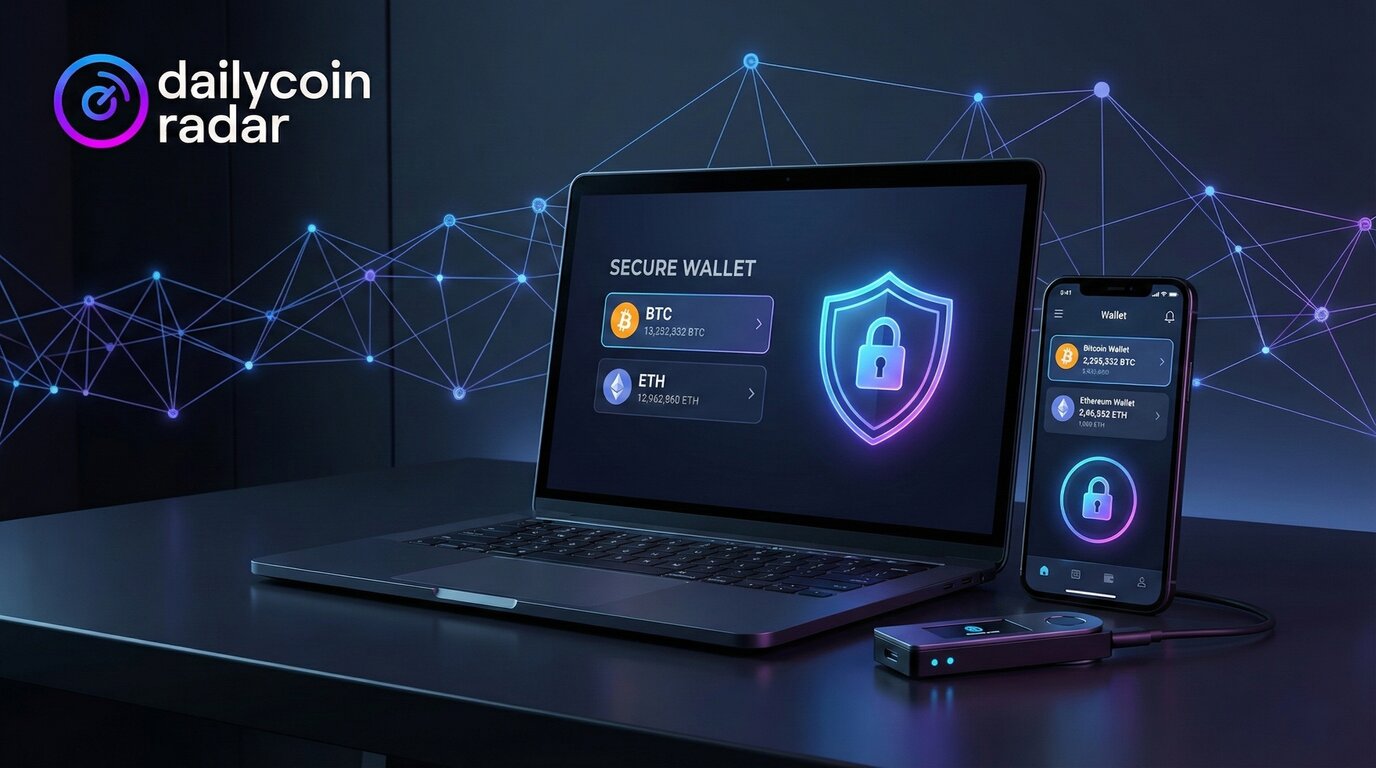

Setting up a crypto wallet is one of the most important steps for anyone entering the world of cryptocurrencies. Whether you are buying Bitcoin for the first time, investing in altcoins, or exploring Web3 applications, a proper crypto wallet setup ensures that your digital assets remain safe and under your control.
In this guide, we will explain what a crypto wallet is, how to set one up step by step, and how to choose between software and hardware wallets. This article is designed for beginners, but it also covers best practices used by experienced crypto users.
What Is a Crypto Wallet?
A crypto wallet is a digital tool that allows you to store, send, receive, and manage cryptocurrencies such as Bitcoin, Ethereum, and other digital assets. Unlike traditional wallets that store physical money, crypto wallets store private keys that give you access to your funds on the blockchain.
Your wallet includes two critical elements: a public address and a private key. The public address is used to receive crypto, while the private key or recovery phrase gives full control over your assets. Protecting your private key is essential, because anyone with access to it can control your funds.
Types of Crypto Wallets
Before setting up a wallet, it is important to understand the two main categories of crypto wallets: software wallets and hardware wallets. Each has its own advantages depending on how you plan to use your crypto.
Software Wallets
Software wallets, also known as hot wallets, are connected to the internet. They are usually mobile apps, desktop apps, or browser extensions. These wallets are popular because they are easy to set up and convenient for daily use.
Software wallets are ideal for beginners who want quick access to their crypto for trading, payments, or learning purposes. Popular software wallets include Trust Wallet, MetaMask, Exodus, and Coinbase Wallet.
Hardware Wallets
Hardware wallets are physical devices that store your private keys offline. Because they are not connected to the internet, they offer a much higher level of security against hacks, malware, and phishing attacks.
Hardware wallets are best suited for long-term investors who want to hold larger amounts of crypto securely. Well-known hardware wallets include Ledger and Trezor.
Hardware vs Software Wallet Comparison
Security
Hardware wallets provide the highest level of security because private keys never leave the device. Even if your computer is compromised, your funds remain protected. Software wallets are secure when used correctly, but they are more vulnerable because they remain connected to the internet.
Ease of Use
Software wallets are easier for beginners. They can be installed in minutes and used immediately. Hardware wallets require an initial setup process and careful storage, which may feel more complex for new users.
Cost
Most software wallets are free. Hardware wallets usually cost between $50 and $200, depending on the model. While this is an extra cost, it is often worth it for users holding valuable crypto assets.
Best Use Case
Software wallets are best for small amounts, frequent transactions, and learning. Hardware wallets are best for long-term storage and maximum security. Many experienced investors use both types together.
How to Set Up a Crypto Wallet: Step-by-Step
Step 1: Choose a trusted wallet provider
Always download wallets from the official website or official app stores. Fake wallets are one of the most common crypto scams. Before downloading, check user reviews, community reputation, and the wallet’s official domain name carefully.
Step 2: Install the wallet application
After choosing a wallet, install the application on your device. Once opened, select the option to create a new wallet. The wallet will ask you to create a password, PIN, or biometric lock to protect local access.
Step 3: Back up your recovery phrase
Your recovery phrase, usually consisting of 12 or 24 words, is the most important part of your wallet. This phrase can restore your wallet if your device is lost, changed, or damaged.
Write the recovery phrase down on paper and store it in a safe, offline location. Do not take screenshots or store it in cloud storage or email. Anyone who gains access to this phrase can control your crypto.
Step 4: Confirm your recovery phrase
To ensure you have correctly backed up your recovery phrase, the wallet will ask you to confirm the words in the correct order. This step should never be skipped.
Step 5: Receive crypto into your wallet
After setup, navigate to the receive section of your wallet. Copy your public address and use it to receive crypto from an exchange or another wallet. Always double-check the address and ensure you are using the correct blockchain network.
Best Practices for Crypto Wallet Security
Keeping your wallet secure is just as important as setting it up correctly. Small mistakes can lead to permanent loss of funds.
Enable extra protection
Use strong passwords, biometric locks, and two-factor authentication when available. For exchange-connected wallets, enable withdrawal confirmations and anti-phishing codes.
Beware of phishing scams
Scammers often impersonate wallet providers or customer support teams. Never click suspicious links or share private keys or recovery phrases. Legitimate services will never ask for this information.
Keep software up to date
Regular updates fix security vulnerabilities and improve wallet performance. Make sure your wallet app and operating system are always updated to the latest version.
Should You Use More Than One Crypto Wallet?
Many experienced crypto users choose to use multiple wallets. A common approach is to use a software wallet for daily transactions and a hardware wallet for long-term storage.
This strategy reduces risk and allows you to balance convenience with security. If one wallet is compromised, your entire crypto portfolio is not affected.
Common Crypto Wallet Mistakes to Avoid
Some common mistakes include losing your recovery phrase, sending crypto to the wrong blockchain network, downloading fake wallet apps, and storing large amounts in hot wallets only.
Taking time to learn and follow best practices can protect you from irreversible losses and unnecessary stress.
Final Thoughts
A proper crypto wallet setup is the foundation of safe cryptocurrency ownership. Whether you choose a software wallet for convenience or a hardware wallet for maximum security, understanding how wallets work gives you full control over your digital assets.
By following the steps and security practices outlined in this guide, you can confidently store, manage, and protect your crypto holdings. As the crypto ecosystem continues to grow, learning wallet security today will benefit you for years to come.

3 Comments
Pingback: What Is Bitcoin? The Complete Guide - Dailycoinradar
Pingback: Are Crypto Exchanges Safe? What You Need to Know Before Depositing - Dailycoinradar
Pingback: Crypto Exchange Fees Explained: Trading, Withdrawal & Other Costs (2026) - Dailycoinradar